Southeast Asian Fermented Condiments Gaining Popularity in Western Kitchens

Introduction

Southeast Asian fermented condiments have been making their way into Western kitchens, adding a burst of unique flavors and a touch of exoticism to dishes. This trend is gaining popularity as more people discover the tangy, umami-rich profiles of these traditional ingredients from countries like Thailand, Vietnam, Indonesia, and Malaysia.

What are Southeast Asian Fermented Condiments?

Fermented condiments are a staple in Southeast Asian cuisine, where they are used to enhance the taste of a wide variety of dishes. These condiments are made through the fermentation of ingredients like soybeans, fish, shrimp, and vegetables, resulting in complex, savory flavors that can add depth and richness to any recipe.

The Popularity in Western Kitchens

Western chefs and home cooks alike are now incorporating Southeast Asian fermented condiments into their cooking to bring a new dimension of taste to their dishes. Websites like Bon Appétit have been featuring recipes that showcase the use of these condiments, introducing them to a broader audience.

According to food experts at Serious Eats, the unique flavors of Southeast Asian fermented condiments are what make them stand out in Western kitchens, offering a departure from the usual condiments found in supermarkets.

Benefits of Using Southeast Asian Fermented Condiments

One of the main benefits of using Southeast Asian fermented condiments is the depth of flavor they add to dishes. For example, adding a spoonful of fish sauce to a stir-fry can elevate the umami taste and bring out the natural flavors of the ingredients.

Moreover, fermented condiments like shrimp paste and miso can act as a natural flavor enhancer, reducing the need for additional salt or seasonings in a recipe. This not only improves the overall taste but also promotes a healthier way of cooking.

How to Use Southeast Asian Fermented Condiments

When using Southeast Asian fermented condiments in Western dishes, it is essential to start with small quantities to gauge the intensity of the flavors. For example, a little goes a long way with shrimp paste, so it is best to add it incrementally and taste as you go.

Websites like The Kitchn offer helpful tips and recipes for incorporating these condiments into everyday cooking, making it easier for home cooks to experiment with new flavors and ingredients.

To learn more about the rise of Southeast Asian fermented condiments in Western kitchens, visit The Spudnut Shop.

Conclusion

As Southeast Asian cuisine continues to influence global food trends, fermented condiments are becoming a popular choice for those seeking to add a punch of flavor to their dishes. By exploring the world of Southeast Asian fermented condiments, home cooks and chefs can unlock a treasure trove of tastes that will take their culinary creations to new heights.


Functional Mushrooms Appearing in Coffee and Chocolate for Mental Clarity

Introduction

In recent years, there has been a surge in the popularity of functional mushrooms for their potential health benefits. These mushrooms are not only finding their way into supplements but also into everyday foods like coffee and chocolate. Combining the rich flavors of coffee and chocolate with the brain-boosting properties of functional mushrooms, this trend is gaining momentum as people seek ways to enhance mental clarity naturally.

Functional Mushrooms for Mental Clarity

Functional mushrooms such as Lion’s Mane, Reishi, and Chaga are known for their cognitive-enhancing properties. These mushrooms contain compounds that may support brain health and improve focus, memory, and overall cognitive function. By incorporating these mushrooms into coffee and chocolate, consumers can enjoy a delicious treat while potentially reaping the benefits of increased mental clarity.

Benefits of Functional Mushrooms in Coffee

Adding functional mushrooms to coffee can provide a convenient way to boost mental clarity. For example, Lion’s Mane mushroom is believed to stimulate the production of nerve growth factor, which may help improve focus and concentration. Reishi mushroom is known for its calming properties, which can promote a sense of mental clarity and relaxation. By infusing coffee with these mushrooms, individuals can start their day with a brain-boosting beverage that supports their cognitive function.

Benefits of Functional Mushrooms in Chocolate

Similarly, incorporating functional mushrooms into chocolate can offer a sweet way to enhance mental clarity. Chaga mushroom, for instance, is rich in antioxidants that can protect the brain from oxidative stress and inflammation. This mushroom, when combined with the rich cocoa flavor of chocolate, creates a delicious treat that supports cognitive health. By indulging in mushroom-infused chocolate, individuals can satisfy their sweet cravings while nourishing their brains.

The Spudnut Shop is a great place to learn more about how functional mushrooms are appearing in coffee and chocolate for mental clarity.

Potential Drawbacks

While functional mushrooms offer promising benefits for mental clarity, it is essential to consider potential drawbacks. Some individuals may be allergic to certain types of mushrooms, so it is crucial to check for any sensitivities before consuming mushroom-infused products. Additionally, the taste of functional mushrooms in coffee or chocolate may not appeal to everyone, as these mushrooms can have a distinct earthy flavor that may take some getting used to.

Conclusion

As the trend of incorporating functional mushrooms into coffee and chocolate continues to grow, more people are discovering the potential benefits of these natural ingredients for enhancing mental clarity. By enjoying a cup of mushroom-infused coffee or a piece of mushroom-infused chocolate, individuals can not only treat themselves to a delicious snack but also support their cognitive function in a simple and convenient way. With more research being conducted on the cognitive benefits of functional mushrooms, this trend is likely to expand, offering consumers new ways to boost their brain health naturally.

Third Culture Cuisine Chefs Blending Heritage with Modern Techniques

Introduction

In today’s culinary landscape, chefs are increasingly exploring innovative ways of blending traditional flavors with modern cooking techniques. This trend has given rise to a new wave of chefs known for their unique approach to cuisine. These chefs, often referred to as Third Culture Cuisine Chefs, draw inspiration from their diverse cultural backgrounds to create dishes that offer a fresh take on traditional recipes.

What is Third Culture Cuisine?

Third Culture Cuisine refers to a culinary style that incorporates elements from multiple cultures, resulting in dishes that are a fusion of different culinary traditions. These chefs often have multicultural backgrounds, which allows them to bring a unique perspective to their cooking. By blending their heritage with modern techniques, Third Culture Cuisine Chefs are able to create dishes that are both innovative and deeply rooted in tradition.

The Art of Blending Heritage with Modern Techniques

Third Culture Cuisine Chefs are masters at combining traditional ingredients and cooking methods with contemporary approaches. By marrying the flavors and techniques of their heritage with modern culinary trends, these chefs are able to create dishes that are both nostalgic and cutting-edge. This approach not only appeals to diners looking for something new and exciting but also serves as a way for chefs to pay homage to their cultural roots.

Examples of Third Culture Cuisine Chefs

  1. Roy Choi – Known for popularizing the Korean-Mexican fusion cuisine with his Kogi BBQ food truck in Los Angeles, Roy Choi is a pioneer in the Third Culture Cuisine movement. His dishes seamlessly blend the bold flavors of Korean cuisine with the familiar elements of Mexican street food, creating a truly unique culinary experience.
    Learn more about Roy Choi

  2. Nik Sharma – A food writer and cookbook author, Nik Sharma combines Indian flavors with modern cooking techniques to create dishes that are both innovative and delicious. His unique approach to blending heritage with innovation has earned him a dedicated following in the culinary world.
    Explore Nik Sharma’s recipes

  3. Yotam Ottolenghi – Renowned for his Middle Eastern-inspired dishes that are infused with Mediterranean flavors, Yotam Ottolenghi is a celebrated chef who exemplifies the art of blending heritage with modern techniques. His creative approach to cooking has revolutionized the way people think about food.
    Discover Ottolenghi’s restaurants and cookbooks

The Future of Third Culture Cuisine

As the culinary world continues to evolve, we can expect to see more Third Culture Cuisine Chefs pushing the boundaries of traditional cooking. By embracing their heritage and experimenting with modern techniques, these chefs are reshaping the way we experience food. Whether it’s fusing flavors from different parts of the world or reinterpreting classic recipes in innovative ways, Third Culture Cuisine Chefs are at the forefront of a culinary revolution.

Conclusion

Third Culture Cuisine Chefs are redefining the culinary landscape by blending their heritage with modern techniques. Through their innovative approach to cooking, these chefs are creating dishes that are not only delicious but also reflective of their diverse cultural backgrounds. By exploring the possibilities of fusion cuisine, Third Culture Cuisine Chefs are shaping the future of food and challenging traditional notions of what it means to create a truly memorable dining experience.

Third Culture Cuisine Chefs Blending Heritage with Modern Techniques

The Renaissance of Ancient Grains in Modern Bakery and Pastry Trends

Introduction
The resurgence of ancient grains in contemporary bakery and pastry practices has captivated the culinary world. These heritage grains offer a blend of nutritional benefits, unique flavors, and a touch of tradition that chefs and bakers are incorporating into their creations. Let’s delve into the reasons behind this revival and how ancient grains are transforming the way we enjoy baked goods.

Benefits of Ancient Grains
Ancient grains such as spelt, amaranth, teff, and kamut are gaining popularity due to their exceptional nutritional profiles. Unlike refined grains, which are stripped of their natural goodness during processing, ancient grains retain their fiber, protein, vitamins, and minerals. These nutrient-rich grains add depth to baked goods, making them a healthier choice for consumers seeking alternatives to conventional wheat-based products. According to the Whole Grains Council, ancient grains are packed with antioxidants, essential fatty acids, and a range of vitamins and minerals that support overall well-being.

Flavor Profiles and Textures
One of the key attractions of ancient grains is their distinct flavors and textures. Spelt, with its nutty taste, lends a hearty quality to bread and pastries, while amaranth brings a subtle sweetness and a pleasant crunch. Teff flour, native to Ethiopia, imparts a unique earthy flavor to baked treats, while kamut adds a buttery richness to pastries. By experimenting with these ancient grains, bakers can create products that not only taste exceptional but also offer a diverse sensory experience for consumers.

The National Honey Board asserts that the use of ancient grains in baking enhances the overall flavor profile of baked goods, contributing to a more nuanced and satisfying taste experience.

Health-Conscious Consumer Demand
In an era where health and wellness are at the forefront of consumer preferences, the resurgence of ancient grains aligns with the growing demand for wholesome and nutritious food options. Consumers are increasingly seeking products that provide both sustenance and enjoyment, and ancient grain-based bakery items cater to this desire. According to the American Heart Association, incorporating whole grains into one’s diet can lead to a lower risk of heart disease, stroke, and diabetes, making ancient grains an appealing choice for health-conscious individuals.

Innovation in Bakery and Pastry Creations
With the revival of ancient grains, pastry chefs and bakers are exploring innovative ways to incorporate these heritage ingredients into their recipes. From artisanal bread to delicate pastries, ancient grains offer a versatile canvas for culinary experimentation. Chefs are combining ancient grains with modern techniques and flavor pairings to create a new generation of baked goods that appeal to a wide audience. The Institute of Culinary Education highlights the creativity and artistry involved in utilizing ancient grains to push the boundaries of traditional bakery and pastry offerings.

Sustainability and Environmental Impact
In addition to their nutritional and culinary benefits, ancient grains are celebrated for their sustainability and minimal environmental impact. These grains are often cultivated using traditional farming methods that prioritize soil health and biodiversity. By supporting the production and consumption of ancient grains, consumers contribute to the preservation of agricultural diversity and the promotion of eco-friendly practices in the food industry. The Food and Agriculture Organization of the United Nations recognizes the role of ancient grains in sustainable agriculture and emphasizes their importance in building resilient food systems for the future.

Conclusion
The renaissance of ancient grains in modern bakery and pastry trends signifies a harmonious blend of tradition, innovation, and sustainability. As consumers embrace these heritage ingredients for their health benefits, unique flavors, and environmental consciousness, the culinary landscape continues to evolve with a renewed appreciation for the culinary heritage of ancient grains.

To learn more about the Renaissance of Ancient Grains in Modern Bakery and Pastry Trends, visit The Spudnut Shop.

Why Ube and Pandan Are Dominating Dessert Menus Across the Globe

Introduction

In recent years, two unique flavors have been making waves across dessert menus worldwide – ube and pandan. These vibrant purple and bright green ingredients have become increasingly popular in a range of sweet treats, from ice creams to pastries. Let’s delve into why ube and pandan are dominating dessert menus across the globe.

Ube: The Purple Powerhouse

Ube, also known as purple yam, is a versatile tuber that has long been a staple in Filipino cuisine. Its striking color and subtly sweet flavor make it a popular choice for desserts. Ube’s rich purple hue adds a colorful twist to a variety of dishes, enticing both the eyes and the taste buds.

One of the key reasons for ube’s rise in popularity is its unique flavor profile. Compared to more traditional dessert ingredients, such as vanilla or chocolate, ube offers a distinctive taste that sets it apart. The growing interest in global flavors has fueled the demand for exotic ingredients like ube, adding a touch of excitement to dessert menus.

Moreover, ube’s natural vibrancy makes it an attractive option for Instagram-worthy desserts. Social media platforms have played a significant role in popularizing ube-inspired treats, driving the trend further into the mainstream.

To learn more about the popularity of ube in desserts, visit The Spudnut Shop website.

Pandan: The Green Wonder

Pandan, a fragrant leaf commonly used in Southeast Asian cooking, has also gained widespread recognition in the dessert scene. Known for its distinct sweet and floral notes, pandan adds a unique twist to sweets and baked goods. Its vibrant green color is an instant standout, making it a sought-after ingredient for aesthetically pleasing desserts.

One of the main reasons behind pandan’s growing popularity is its versatility. From cakes and puddings to ice creams and drinks, pandan can be incorporated into a wide range of desserts, offering a refreshing and exotic flavor profile. The increasing interest in global cuisines has propelled the use of pandan in desserts, appealing to adventurous food enthusiasts seeking new taste experiences.

Pandan’s aromatic qualities and vibrant color have made it a favorite among pastry chefs and home bakers alike. Its distinctive flavor adds a sophisticated touch to traditional desserts, elevating them to new heights of creativity and indulgence.

Conclusion

In conclusion, the rise of ube and pandan in dessert menus can be attributed to their unique flavors, vibrant colors, and versatility in various sweet creations. As global palates continue to evolve and embrace new culinary experiences, these exotic ingredients have firmly established themselves as must-have additions to dessert offerings worldwide. Whether you’re a dessert connoisseur or simply looking to explore exciting new flavors, be sure to sample a ube or pandan treat to satisfy your sweet cravings.

West African Cuisine Is Taking the Global Culinary Stage by Storm

Introduction
West African cuisine has been gaining popularity on the global culinary stage, captivating food enthusiasts with its vibrant flavors and rich culinary traditions. From jollof rice to suya to banku, West African dishes offer a unique dining experience that is both comforting and adventurous. Let’s delve into why West African cuisine is making waves worldwide.

The Rise of West African Cuisine
West African cuisine is characterized by bold flavors, diverse ingredients, and a rich cultural heritage. With a focus on fresh produce, aromatic spices, and slow-cooking techniques, West African dishes are a true reflection of the region’s culinary identity. As more people seek out authentic and exotic flavors, West African cuisine has emerged as a top contender in the global food scene.

In recent years, West African chefs and restaurateurs have been gaining recognition for their innovative approach to traditional dishes. By putting a modern twist on classic recipes, they are attracting a new generation of food lovers who are eager to explore the unique flavors of the region. This culinary evolution has propelled West African cuisine onto the global stage, where it continues to captivate audiences with its delicious and diverse offerings.

Key Ingredients and Flavors
One of the key draws of West African cuisine is its use of bold and vibrant flavors. From spicy peppers to aromatic herbs to tangy fruits, West African dishes are a tantalizing mix of sweet, savory, and spicy elements. Staples like cassava, plantains, and yams are common in West African cooking, providing a hearty and satisfying base for many dishes.

Palm oil, groundnut paste, and fermented ingredients like ogiri and iru add depth and complexity to West African dishes, giving them a unique and distinctive flavor profile. Whether you’re enjoying a steaming bowl of fufu or a succulent plate of grilled fish, each bite is a journey through the diverse and flavorful landscape of West African cuisine.

Popular West African Dishes
West African cuisine boasts a wide array of delicious dishes that cater to all tastes and preferences. Jollof rice, a beloved West African staple, is a flavorful one-pot dish made with rice, vegetables, and a spicy tomato sauce. Suya, grilled meat skewers seasoned with a mix of spices, is a popular street food enjoyed throughout the region.

Banku, a fermented corn and cassava dough served with spicy soup or stew, is a comforting and hearty dish that is a favorite in Ghana. Egusi soup, a rich and creamy soup made with melon seeds and leafy greens, is a flavorful and nutritious option for vegetarians. Whether you’re a meat lover, a vegetarian, or a seafood aficionado, West African cuisine has something for everyone.

The Influence of West African Cuisine
West African cuisine is not just about food; it’s a cultural experience that celebrates community, tradition, and heritage. The rituals of preparing and sharing meals are an integral part of West African culture, bringing people together and fostering a sense of connection and belonging.

As West African cuisine continues to gain popularity on the global stage, it is opening up new opportunities for chefs, entrepreneurs, and food enthusiasts from the region. By showcasing the diverse and dynamic flavors of West Africa, these culinary ambassadors are not only promoting their heritage but also inspiring a new generation of cooks and food lovers to explore the rich tapestry of West African cuisine.

In Conclusion
West African cuisine is a culinary treasure trove that is taking the global culinary stage by storm. With its bold flavors, diverse ingredients, and rich cultural heritage, West African dishes offer a unique and unforgettable dining experience. As more people discover the delights of West African cuisine, the world is embracing the vibrant and eclectic flavors of the region. So why not embark on your own West African culinary adventure and savor the flavors of this dynamic and delicious cuisine.

Sources:
1. BBC – West African Cuisine: A Beginner’s Guide
2. Saveur – An Introduction to West African Cuisine
3. Food & Wine – West African Cuisine Takes Center Stage
4. West African Cuisine Is Taking the Global Culinary Stage by Storm

The Swicy Phenomenon Mixing Spicy and Sweet for Bold Flavor Profiles

Introduction
In the culinary world, flavor combinations play a significant role in creating unique and memorable dishes. One trending phenomenon that has captured the attention of food enthusiasts is the fusion of spicy and sweet flavors to create bold and tantalizing taste profiles. This innovative approach has led to the emergence of the “Swicy” trend, where spicy and sweet elements are combined to elevate dishes to new heights. Let’s delve into the exciting world of Swicy and explore how this trend is reshaping the culinary landscape.

The Perfect Harmony of Spicy and Sweet
The key allure of Swicy lies in its ability to strike the perfect balance between spicy and sweet flavors. By combining bold spices with subtle sweetness, chefs can create dishes that offer a symphony of taste sensations. This harmonious interplay of flavors adds depth and complexity to dishes, making them stand out in a crowded culinary scene. Whether it’s a spicy-sweet glaze on fried chicken or a chili-infused chocolate dessert, Swicy creations never fail to surprise and delight the palate.

Unleashing Creativity in the Kitchen
The Swicy trend has also sparked a wave of creativity in the kitchen, inspiring chefs to experiment with unconventional flavor pairings. By pushing the boundaries of traditional culinary norms, chefs can unleash their creativity and create dishes that challenge the status quo. This newfound sense of freedom allows chefs to explore new techniques, ingredients, and flavor profiles, leading to the creation of groundbreaking dishes that captivate diners and critics alike.

Benefits of Swicy Flavor Profiles
1. Exciting and Memorable Dining Experience: Swicy dishes offer a memorable dining experience that lingers long after the meal is over. The bold and contrasting flavors create a sensory adventure for diners, leaving them craving more.
2. Versatile and Adaptable: The Swicy trend is incredibly versatile, allowing chefs to apply it to a wide range of dishes, from appetizers to desserts. This flexibility enables chefs to tailor their creations to suit different palates and preferences.
3. Enhanced Depth and Complexity: By combining spicy and sweet elements, Swicy dishes boast a depth and complexity that is hard to replicate with traditional flavor combinations. This multi-dimensional taste profile keeps diners coming back for more.

Challenges of Swicy Flavor Profiles
1. Balancing Act: Achieving the perfect balance between spicy and sweet can be a challenge for chefs, as the two flavor profiles can easily overpower each other. Finding the right ratio of spices to sweetness is crucial to creating successful Swicy dishes.
2. Palate Preferences: While Swicy dishes appeal to adventurous eaters looking for bold flavor experiences, they may not be suitable for those with more delicate palates. Chefs must consider their target audience when incorporating Swicy elements into their menu.
3. Ingredient Availability: Some exotic spices and sweeteners used in Swicy dishes may not be readily available in all regions, making it challenging for chefs to recreate these dishes outside of culinary hubs.

Conclusion
The Swicy phenomenon is revolutionizing the culinary world by introducing bold and innovative flavor profiles that push the boundaries of traditional cuisine. By combining spicy and sweet elements, chefs can create dishes that captivate diners and elevate the dining experience to new heights. Whether you’re a seasoned food enthusiast or simply curious to try something new, exploring the world of Swicy flavors is sure to be a rewarding adventure.

For more information on The Swicy Phenomenon Mixing Spicy and Sweet for Bold Flavor Profiles, visit The Spudnut Shop.

Carbon Neutral Restaurants Setting New Standards for Ethical Dining

Introduction

As awareness of environmental issues continues to grow, the food industry is increasingly focusing on sustainability. Carbon neutral restaurants are leading the way in setting new standards for ethical dining. These establishments strive to minimize their carbon footprint and promote eco-friendly practices in all aspects of their operations.

What is a Carbon Neutral Restaurant?

A carbon neutral restaurant is an establishment that has taken concrete steps to reduce its greenhouse gas emissions to a minimal level. These restaurants often focus on sourcing local, organic ingredients, using energy-efficient appliances, and implementing waste reduction strategies. By analyzing their carbon emissions and taking action to offset them, carbon neutral restaurants demonstrate a commitment to environmental stewardship.

Benefits of Carbon Neutral Restaurants

  1. Environmental Impact: By reducing their carbon footprint, carbon neutral restaurants help combat climate change and minimize environmental degradation.

  2. Healthier Food Choices: Many carbon neutral restaurants prioritize fresh, organic ingredients, resulting in healthier and more nutritious menu options for diners.

  3. Community Support: Supporting local farmers and suppliers fosters stronger ties within the community and promotes sustainable agricultural practices.

Examples of Carbon Neutral Restaurants

  1. Noma – Copenhagen, Denmark: Noma, a world-renowned restaurant known for its innovative cuisine, has implemented numerous sustainable practices to reduce its carbon footprint. From utilizing geothermal energy for heating to composting food waste, Noma sets a high standard for eco-friendly dining.

  2. The Perennial – San Francisco, USA: The Perennial is an environmentally conscious restaurant that focuses on regenerative agriculture and carbon farming. By sequestering carbon in the soil through their farming practices, The Perennial actively works to combat climate change while serving delicious, sustainable dishes.

  3. Silo – London, UK: Silo is a zero-waste restaurant that goes to great lengths to minimize its environmental impact. From sourcing ingredients package-free to composting all food scraps, Silo demonstrates that ethical dining practices can be both innovative and delicious.

Challenges Faced by Carbon Neutral Restaurants

  1. Cost: Implementing sustainable practices can be costly for restaurants, especially small businesses with limited resources.

  2. Supply Chain Logistics: Sourcing local, organic ingredients can be challenging, particularly in regions where certain products are not readily available.

  3. Consumer Education: Some diners may not fully understand the value of dining at a carbon neutral restaurant, which can make it difficult to attract a broader customer base.

Conclusion

Carbon neutral restaurants are setting new standards for ethical dining by prioritizing sustainability and environmental responsibility. By showcasing innovative practices and delicious cuisine, these establishments are reshaping the food industry and inspiring consumers to make more conscious dining choices.

To learn more about carbon neutral restaurants and their impact on the food industry, visit The Spudnut Shop.

References:
1. https://www.noma.dk/
2. https://theperennialsf.com/
3. https://silolondon.com/

How AI Is Revolutionizing Personalized Nutrition Plans for Better Health

Introduction
As technology advances, artificial intelligence (AI) is transforming various aspects of our lives, including how we approach nutrition and health. AI-powered personalized nutrition plans are revolutionizing the way individuals manage their well-being, offering tailored recommendations based on unique biological factors and dietary preferences.

Understanding Personalized Nutrition
Personalized nutrition focuses on creating individualized diet plans that consider a person’s specific needs, such as genetic makeup, metabolism, and lifestyle choices. By analyzing these factors, AI algorithms can generate recommendations that aim to optimize health outcomes and prevent chronic diseases.

The Role of AI in Personalized Nutrition
AI plays a crucial role in personalized nutrition by processing vast amounts of data to identify patterns and correlations that humans may overlook. By leveraging machine learning algorithms, AI can analyze information from sources like genetic tests, blood tests, and dietary logs to create personalized nutrition plans that suit an individual’s requirements.

Benefits of AI-Powered Nutrition Plans
1. Precision: AI algorithms can offer precise recommendations tailored to an individual’s unique needs, leading to more effective outcomes.
2. Efficiency: With AI, personalized nutrition plans can be generated quickly, making it easier for individuals to adhere to their dietary guidelines.
3. Flexibility: AI-powered nutrition plans can adapt to changes in an individual’s health status or goals, ensuring continual improvement and customization.

Challenges of AI-Powered Nutrition Plans
1. Data Privacy: Gathering and analyzing personal health data raises concerns about data privacy and the potential misuse of sensitive information.
2. Access Disparities: Not everyone may have access to AI-powered personalized nutrition services, leading to disparities in health outcomes among different socioeconomic groups.
3. Lack of Human Touch: While AI can offer personalized recommendations, some individuals may prefer human interaction and support in their nutrition journey.

Real-World Examples
1. Nutrigenomix: Combining genetic testing with AI technology, Nutrigenomix offers personalized nutrition recommendations based on an individual’s genetic profile.
2. Habit: Using an AI-powered platform, Habit provides personalized meal plans and coaching to help individuals achieve their health goals through personalized nutrition.
3. Zoe: Zoe utilizes AI algorithms to analyze blood test results and gut microbiome data, offering personalized recommendations to optimize an individual’s metabolic health.

Conclusion
AI-powered personalized nutrition plans have the potential to revolutionize how we approach health and wellness. By leveraging the capabilities of AI algorithms, individuals can receive tailored recommendations that are designed to improve their overall well-being. Embracing this technological innovation can pave the way for a healthier future for all.

For more information on how AI is revolutionizing personalized nutrition plans for better health, visit The Spudnut Shop.

Resep Pizza Roti Tawar Dan Tuna Melt Toast Ala Chef Devina Hermawan

thespudnutshop.com – Roti tawar memang jadi salah satu bahan makanan paling fleksibel dan praktis yang hampir selalu ada di rumah. Mau dijadikan menu sarapan cepat cukup dengan olesan selai favorit, atau diolah lebih ‘niat’ menjadi sajian lain seperti puding roti, sandwich, hingga aneka camilan gurih semuanya bisa. Inilah yang membuat roti tawar jadi andalan banyak orang saat butuh camilan yang serba cepat tapi sudah pasti lezat.

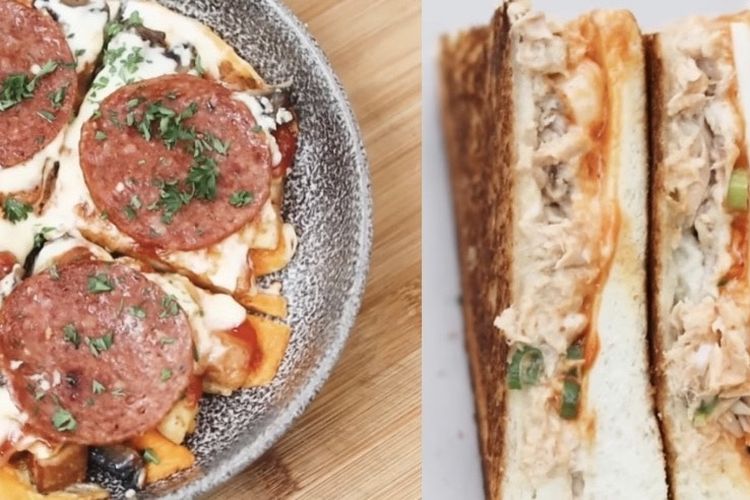
Nah, kalau kamu mulai bosan dengan olahan roti tawar bercita rasa manis, tak ada salahnya mencoba sajian roti versi gurih yang lebih menggugah selera. Lewat resep hasil kolaborasi Chef Devina Hermawan bersama Willgoz ini, roti tawar diolah menjadi dua menu berbeda sekaligus yaitu pizza roti tawar yang creamy dan kaya topping, serta tuna melt toast yang praktis namun tetap mengenyangkan.

Kedua menu ini cocok disajikan sebagai sarapan, bekal, maupun camilan di sela aktivitas. Bahannya sederhana, langkah membuatnya mudah, dan cita rasanya tak kalah dengan sajian kafe-kafe di luar. Berikut resep lengkapnya yang bisa langsung kamu praktekkan di rumah.

Resep Pizza Roti Tawar dan Tuna Melt Toast (2 porsi)

Pizza Roti Tawar

Bahan:

  • 2 lembar roti tawar, potong kotak
  • 2 butir telur
  • 1 sdm mentega
  • 2 siung bawang putih, cincang
  • 2 sdm saus tomat
  • 2 sdm mayonaise
  • 40 gram keju cheddar easy melt
  • 5 lembar salami
  • 4 buah jamur champignon, iris
  • 1 sdm parsley cincang
  • Garam, merica, dan penyedap secukupnya

Tuna Melt Toast

Bahan:

  • 2 lembar roti tawar
  • ¼ kaleng tuna
  • 1 sdm mayonaise
  • 1 lembar keju slice
  • 1 batang daun bawang, iris
  • 1 sdm saus sambal

Langkah Membuat:

  1. Untuk pizza roti tawar, lelehkan mentega lalu masukkan bawang putih cincang. Masak perlahan dengan api kecil hingga harum.
  2. Masukkan potongan roti tawar, setengah bagian telur, serta campuran mentega dan bawang ke dalam mangkuk. Diamkan sejenak hingga roti menyerap bumbu.
  3. Panaskan sedikit minyak, tumis jamur hingga kecokelatan. Bumbui dengan garam, merica, dan penyedap secukupnya, lalu masukkan salami. Sisihkan.
  4. Tuang adonan roti ke dalam pan dengan api kecil. Masak hingga bagian bawah kecokelatan.
  5. Balikkan adonan, lalu tuangkan sisa telur kocok. Masak kembali dengan api kecil.
  6. Olesi permukaan atasnya dengan saus tomat, lalu tambahkan jamur tumis, mayonaise, keju parut, dan salami. Tutup pan dan masak hingga keju meleleh. Bisa juga dilelehkan menggunakan torch.
  7. Angkat pizza roti tawar dari pan, lalu potong menjadi 4 bagian.
  8. Untuk tuna melt toast, ambil satu lembar roti, beri tuna, mayonaise, daun bawang, keju slice, dan saus sambal. Tutup dengan lembar roti lainnya.
  9. Panaskan pan dengan sedikit minyak, lalu panggang roti menggunakan api sedang hingga kedua sisinya kecokelatan.
  10. Angkat dan potong menjadi 4 bagian.
  11. Pizza roti tawar dan tuna melt toast siap disajikan.

Ternyata roti tawar yang sederhana bisa disulap menjadi hidangan gurih yang lezat dan mengenyangkan. Kombinasi pizza roti tawar yang creamy dengan topping melimpah, serta tuna melt toast yang praktis dan penuh rasa, membuat menu ini cocok untuk berbagai kesempatan. Tak hanya mudah dibuat, olahan ini juga bisa jadi solusi saat ingin menyajikan makanan yang berbeda tanpa ribet.

Tak harus berpatok pada resep. Kamu bebas berkreasi menyesuaikan topping dan isian sesuai selera atau cukup dengan bahan-bahan yang tersedia di rumah. Menu ini juga bisa banget untuk ide bekal simple, praktis tanpa ribet untuk dibawa ke sekolah maupun ke tempat kerja. Semoga resep ini bisa jadi inspirasi untuk menciptakan gaya baru dalam menikmati roti tawar. Selamat mencoba!